
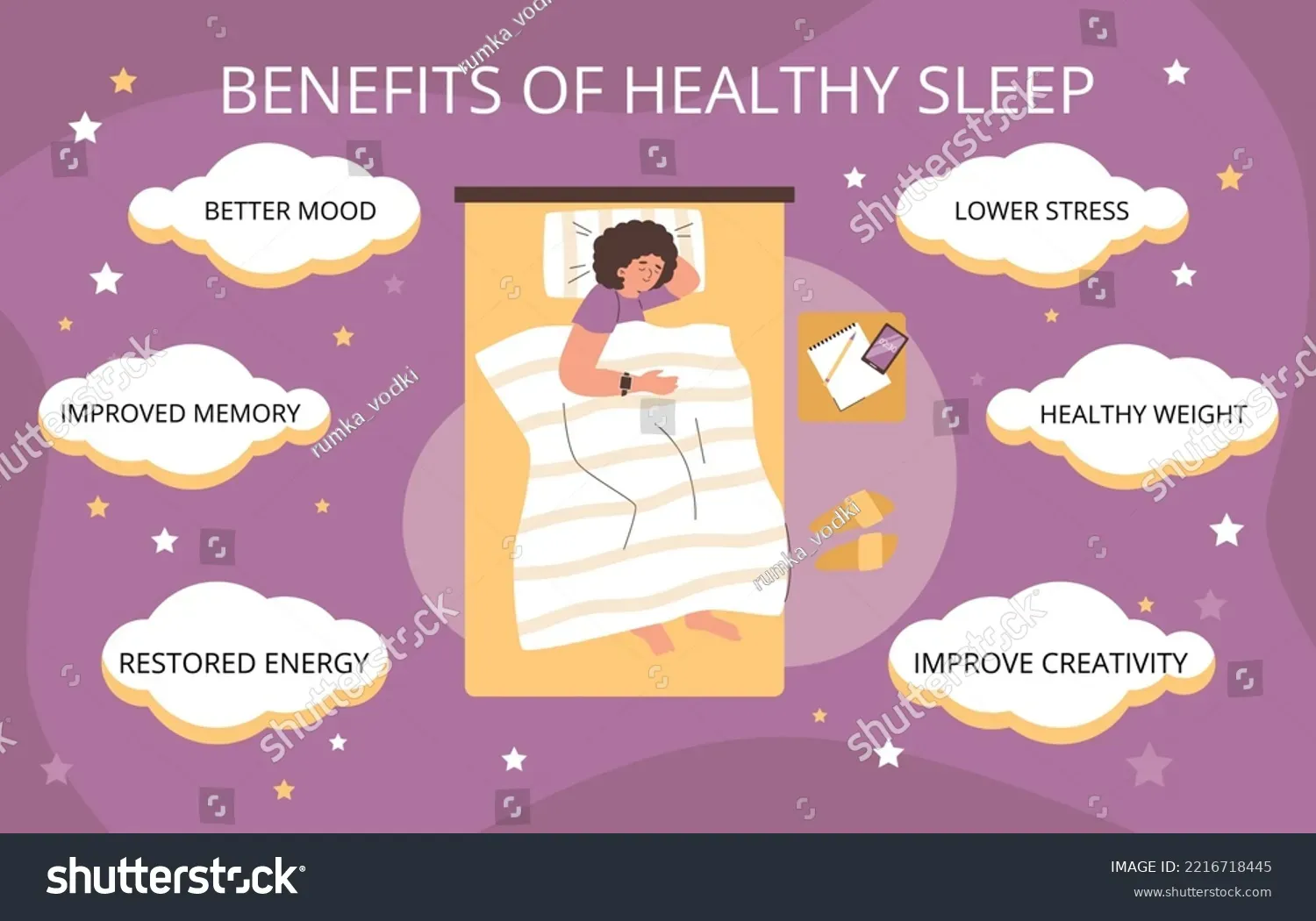
Sleep and health are deeply connected, shaping energy, immune function, and daily performance. When you sleep well, sleep quality rises, supporting cognitive clarity, mood, and resilience. Adopting consistent routines and good bedtime practices can amplify these effects by aligning your circadian rhythm with your daily life. A regular sleep schedule helps regulate hormones, reduce stress, and support daytime energy. This brief intro highlights practical steps to gauge rest and establish a routine that protects long-term well-being.
From a broader angle, the link between rest and well-being is seen in how nightly recovery supports bodily repair and brain housekeeping. Sleep science reveals that the body cycles through stages that energize the immune system, consolidate memories, and regulate emotions. The rhythm of daytime light, meals, and activity nudges your circadian timing, shaping when you feel sleepy and how deeply you rest. Prioritizing a consistent routine, a cool dark environment, and mindful evening habits helps protect long-term health and mental clarity. By framing rest as a daily practice rather than a luxury, you tap into a spectrum of benefits that extend to mood, focus, and resilience.
Sleep and Health: The Vital Link Between Sleep Quality and Everyday Wellness
Quality sleep starts with a well-tuned circadian rhythm and a focus on sleep quality. When rest is restorative, the body repairs tissues, supports immune defense, and the brain clears metabolic waste through the glymphatic system. This synergy illustrates the Sleep and health connection in practical terms: better sleep quality translates into sharper thinking, steadier mood, and more resilient health.
When sleep quality falters—due to irregular bedtimes, late-night screen use, or caffeine too close to bedtime—sleep deprivation effects accumulate. Chronic disruptions raise inflammation, disturb hormonal balance, and impair glucose tolerance, underscoring why prioritizing sleep quality is foundational for long-term health and the benefits of sleep become tangible in daily energy and performance.
Healthy Sleep Habits for Mental and Physical Wellness
Developing healthy sleep habits begins with consistency: go to bed and wake up at the same times, create a wind-down routine, and optimize the sleep environment. These habits support sleep quality, strengthen your circadian cues, and make rest feel like a natural, non-negotiable part of your day. By embedding healthy sleep habits into daily life, you lay the groundwork for better energy, mood, and immune function.
The impact of sleep on mental health becomes clearer when healthy sleep habits are in place. Adequate rest reduces anxiety and supports emotional regulation, while the cognitive benefits—quick decision-making, improved memory, and faster learning—reflect the broader benefits of sleep. Understanding sleep deprivation effects in this context also highlights why a sustainable routine matters for long-term mental well-being.
Frequently Asked Questions
What is the impact of sleep on health, and how does sleep quality affect immune function and mental health?
Sleep quality is a core pillar of health. When sleep quality is high, the body supports immune resilience, cardiovascular and metabolic balance, and emotional well‑being. Sleep deprivation effects include slower reaction times, poorer mood, and higher infection risk, underscoring the benefits of sleep and the importance of healthy sleep habits for overall health.
What are practical healthy sleep habits to improve sleep quality and support mental health?
Adopt healthy sleep habits such as a consistent schedule, a calming bedtime routine, and a sleep‑friendly environment (cool, dark, quiet). Limit caffeine and screen time before bed, get regular daytime light exposure, and finish vigorous exercise a few hours before sleep. These practices improve sleep quality and support mental health by stabilizing mood, attention, and resilience—the core impact of sleep on mental health.
| Category | Key Points | Practical Takeaways |
|---|---|---|
| Sleep Stages & Glymphatic Cleansing | Non-REM supports physical restoration (tissue repair, muscle growth, immune strengthening); REM supports learning, memory consolidation, and emotional regulation. The glymphatic system clears metabolic waste during sleep. | Aim for sufficient duration and depth of sleep to support restoration; maintain a consistent schedule to promote healthy sleep stages. |
| Circadian Rhythm | The body’s internal clock governs sleep-wake timing. Light exposure, meals, and caffeine can shift this rhythm. Disruptions can raise inflammation and impair glucose tolerance. | Seek regular daily routines, morning light exposure, and limit blue light and late caffeine to keep the rhythm aligned. |
| Sleep Quality vs. Quantity | Adults typically need about 7-9 hours per night. Quality matters as much as quantity; frequent awakenings or light sleep reduce restorative benefits. | Prioritize uninterrupted sleep and monitor both duration and sleep depth; optimize environment and routines to improve quality. |
| Sleep & Immune System | Quality sleep supports immune resilience by producing immune cells, antibodies, and cytokines; chronic sleep loss can weaken defenses and vaccine responses. | Maintain consistent sleep to support immune health; avoid long-term sleep debt. |
| Sleep & Cardiovascular Health | Sleep helps regulate blood pressure, inflammation, and heart rate. Chronic deprivation is linked to hypertension and higher cardiovascular risk. | Prioritize restorative sleep to support vascular function and blood pressure regulation. |
| Sleep & Metabolic Health | Sleep quality influences insulin, leptin, and ghrelin; fragmentation can contribute to weight gain and metabolic syndrome. | Keep a regular sleep pattern to support metabolic regulation and appetite control. |
| Sleep & Recovery (Musculoskeletal) | Sleep enables tissue and muscle repair and reduces injury risk; supports athletic performance and daytime recovery. | Use adequate sleep duration to enhance recovery and physical performance. |
| Sleep & Mental Health | Adequate sleep supports mood regulation, reduces irritability, and sustains cognitive function; poor sleep is linked to anxiety and depression. | Maintain regular sleep to stabilize mood and enhance mental clarity and resilience. |
| Memory & Learning | REM consolidates emotional memories; non-REM supports declarative and procedural memory; good sleep enhances learning and retention. | Aim for consistent sleep to support faster learning and better long-term retention. |
| Sleep Deprivation Effects | Short-term: slower reaction times, impaired judgment, reduced vigilance; long-term: higher risks of obesity, type 2 diabetes, hypertension, and inflammation. | Avoid chronic sleep loss; practice good sleep hygiene and prioritize rest. |
| Healthy Sleep Habits: Practical Strategies | A set of evidence-based practices to improve both sleep quality and duration. |
|
| When to Seek Help | Most people have occasional sleep problems. If poor sleep lasts for weeks, or you snore loudly, wake with headaches, or feel daytime sleepiness that interferes with daily life, seek healthcare evaluation. | Underlying conditions (e.g., sleep apnea, restless legs, anxiety) may require targeted treatment; prioritize professional guidance. |
| Putting It All Together | Quality rest ties together physical and mental health. Understanding sleep cycles, balancing quality with quantity, and adopting healthy sleep habits can improve immunity, cardiovascular function, mood, cognition, and daily performance. | Commit to a simple, sustainable sleep routine as a cornerstone of long-term Sleep and Health. |
Summary
Conclusion: Sleep and health are deeply intertwined, and quality rest powers your immune system, brain function, mood, and daily performance. By establishing a consistent schedule, optimizing your sleep environment, limiting factors that disrupt sleep, and listening to your body’s signals, you can build a sustainable routine that elevates both Sleep and Health. This integrated approach supports immune defenses, heart and metabolic health, cognitive clarity, and emotional resilience, helping you wake each day with greater vitality and well-being.